Resources for Hosting an Author/Illustrator Visit
Maine Childrens Authors & Illustrators
A=Author, I=Illustrator, PB=picture books, CH=early chapter books, MG=middle grade,
YA=young adult, NF=nonfiction, GN=graphic novel, XX-does not appear to do school visits
(This list is not comprehensive, but it is a starting place)
Hosting Tips from Librarians
Initial Planning Steps
- Identify the visit purpose. Ask teachers what they would like to achieve with an author/illustrator visit. Whether supporting curricular goals through deep collaboration or simply offering the opportunity for students to meet and engage with a beloved author/illustrator, set shared expectations for the visit and planning.
- Recognize opportunities to bring local authors/illustrators to school. Local authors are a great resource and reduce travel needs. Students especially connect to recent graduates sharing their publications.
- Supplement areas of the curriculum. Identify areas of need or interest, such as research or writing strategies, to guide the author/illustrator visit. Core texts for a grade level or subject can provide an in-depth focus.
- Promote curriculum connections. Consider how one author might connect to a variety of curriculum areas. For example, a graphic novelist might connect to English, art, and classes that do sketch notes.
- Capitalize on student interest. Student interest in a particular topic, book, or author can guide you in selecting your author/illustrator.
- Leverage reading initiatives. Inviting authors who are part of the Maine Student Book Award, North Star and other programs shine a spotlight on not just the featured author/illustrator, but also on the entire reading challenge.
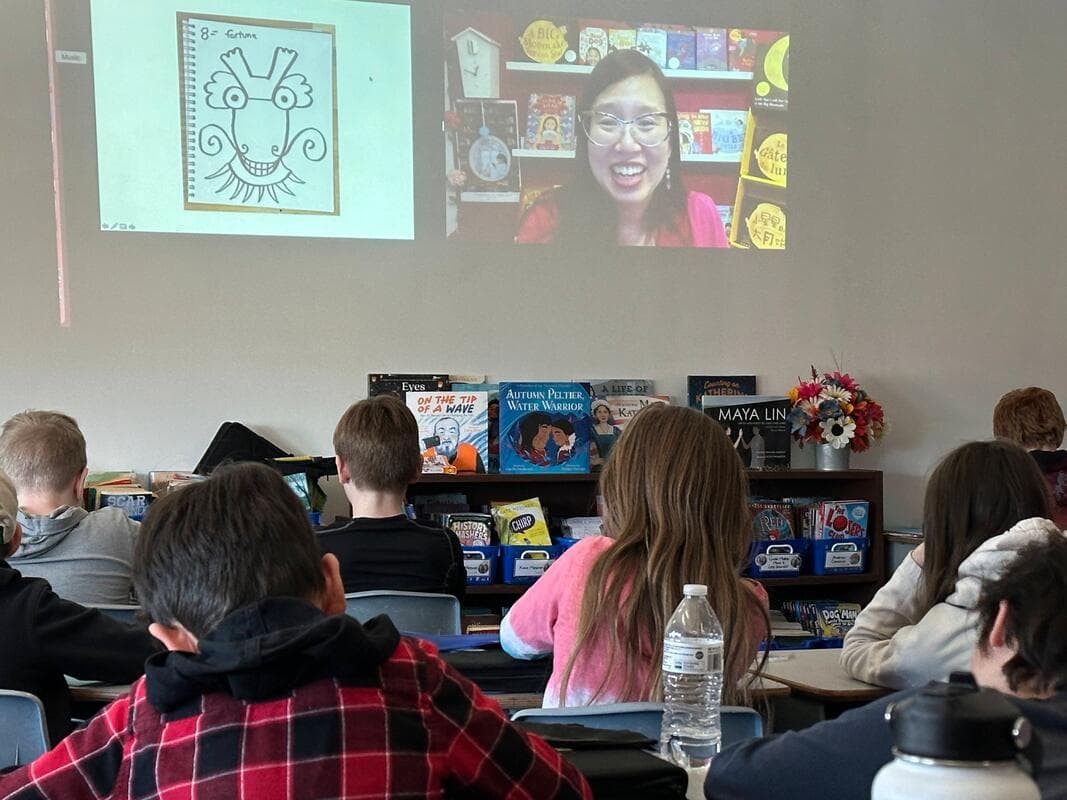
- Consider a virtual visit! Virtual author or illustrator visits offer students a unique opportunity to see the creator’s workspace. They can also complement an in-person visit, allowing for engagement before or after the event. Additionally, virtual visits are often more affordable by eliminating travel costs and can be easier to schedule.
- Promote collaboration with other school districts. Advertise your interest in bringing an author/illustrator to your school with colleagues from other schools. An author/illustrator visiting multiple districts is a way to share travel expenses involving flights and overnight accommodations.
- Plan with the author/illustrator or their agent. Discuss details such as fees, number and size of presentations, grade level ranges, presentation needs, book signing, lunch/break needs, and general lesson goals and expectations for the visit.
- Secure funding. Book fairs, PTAs, local businesses and grants, such as the Literacy Fund at the Maine Community Foundation, are sources for funding. Include a line item in your library budget for hosting speakers.
- Schedule the author/illustrator. Meet with your administrator to gain any needed approval and to make sure the visit does not conflict with other school events, testing, etc.
- Cultivate a culture to experience author/illustrator visits. Outside of school programming, encourage students to attend author visits at the public library, bookstores or other nearby venues - especially events featuring local authors or historical topics. These events offer a great opportunity to connect with the community and earn community service hours.
Staff and Student Preparation
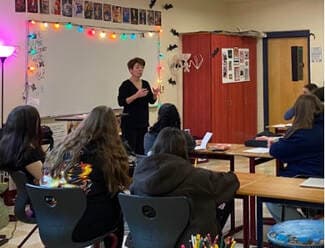
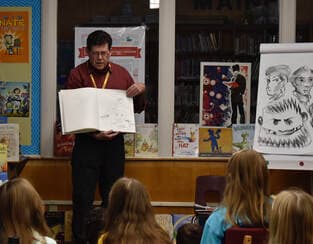
- Plan a structure for the visit. Consider starting with an assembly to introduce the author/illustrator. Then, follow with small class sessions focused on illustration, writing, research, or other curricular connections to deepen student engagement and learning.
- Collaborate with colleagues. Promote the visit and shared investment in the event.
- Order multiple copies of books in the school for reading. The copies make excellent prizes for signed copies from the author/illustrator.
- Prepare the students. Share the author/illustrator’s books with the students so they are familiar with their work. Explore websites or online presence to learn more about their works and their background.
- Discuss audience etiquette.Prepare students for Q&A by discussing appropriate questions beforehand and brainstorming ideas. Having prepared questions from students and staff helps avoid awkward silences when the author/illustrator asks for questions. It also provides an opportunity to teach proper etiquette and avoid questions like, "How much money do you make?" or "How old are you?"
Preparation for the Day of the Visit
- Make sure you have a space reserved. If needing the gym, auditorium, music room, cafeteria or other publicly used space, communicate with impacted teachers, the school office and facilities crew. Fill out any required facility use forms so the facilities crew will know what you need for set up and break down.
- Communicate with the author/illustrator. Identify a contact host at the school who will meet the author/illustrator and answer any questions on the day of the visit. Ask if there are any special needs the author/illustrator may have to help the day go smoothly.
- Make a schedule for the day. Discuss the schedule with the author/illustrator in advance to be sure it meets their needs and expectations. Besides scheduling the presentations, make sure to provide breaks, lunch and time for book signing on the schedule. Share the schedule with the entire school community.
- Organize book sales. Several weeks before the visit, send home order forms so interested families can purchase books to be signed. On the day of the visit, make sure the books are organized so the signing can go quickly. Some authors/illustrators prefer signing bookplates instead of signing during the event. Make sure to know the author’s preference.
- Prepare supplies for the author/illustrator. Make sure you have whatever the visitor needs for their presentation. This often includes a projector and microphone if the crowd is large, and an easel and paper if they are an illustrator.
- Test equipment before the visit. Make sure the technology works before the author/illustrator arrives.
- Create a guest list. Consider including grant funders, school board members, local officials, public librarians, and other grade levels or students who might benefit from the experience.
- Welcome the author/illustrator to the school. Post signs, create bulletin boards, display books, and invite students to greet the author/illustrator. Art/responses that celebrate the student reaction to the author/illustrator’s work builds excitement for the event.
- Create press releases. Celebrate the author/illustrator visit and promote awareness.
- Be excited!!! Excitement is contagious and it spreads to the students!
Follow-Up
- Create a goal for future author/illustrator visits. Determine how often a student body will experience author/illustrator visit(s) and work toward building it into the budget along with grant funding.
- Gather post visit reflection from students, staff and author/illustrator. The feedback is helpful with future goal planning.
- Follow up with tips and techniques gained from the author/illustrator visit. This allows students to practice and integrate the ideas into learning.
- Send thank yous. Thank the author/illustrator for visiting, and your volunteers, booksellers, and funders/sponsors who supported the visit.
Compiled by: Debra Butterfield, Abigail Luchies & Susan Onion
-March 2025